

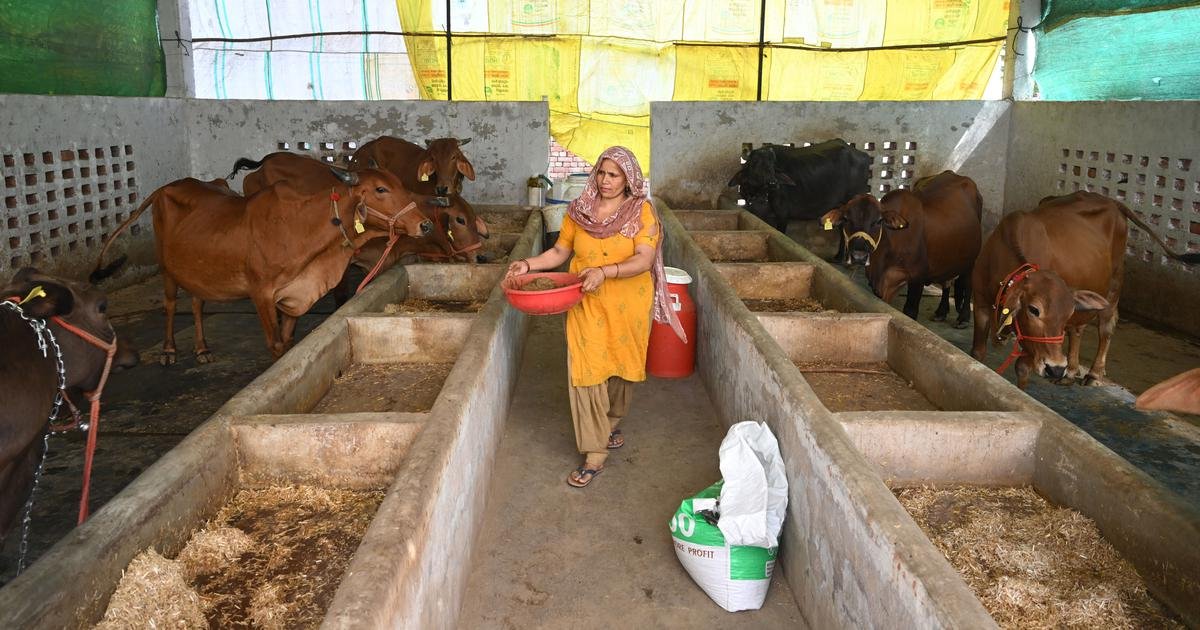
In the quiet routine of farms, where much of the focus often rests on crops and seasons, animal health carries its own steady importance, sometimes overlooked until something goes wrong. Livestock are not just assets on paper, they are living, breathing parts of the farm’s rhythm, shaping both income and daily life. And when their health improves, productivity tends to follow, though not always in ways that are immediately visible.
Farmers have long relied on experience to care for their animals—watching how they move, how they eat, how they respond to small changes in weather or feed. But now, there is a growing blend of that instinct with more structured care. Regular vaccinations, better nutrition, and cleaner shelters are becoming more common, even in smaller setups. It sounds simple, almost obvious, yet these small steps can make a noticeable difference. A healthier animal grows better, produces more milk or meat, and is less likely to fall ill at the wrong time.
Nutrition, in particular, is getting more attention than before. Balanced feed, with the right mix of nutrients, helps animals maintain strength and resist disease. But achieving that balance is not always easy. Feed costs can rise, availability can fluctuate, and not every farmer has access to reliable advice. So there is often a gap between what is recommended and what is actually practiced. Still, even gradual improvements seem to help, bit by bit.
There is also a shift toward preventive care rather than waiting for illness to appear. Veterinary services, though not always within easy reach, are being used more regularly in some areas. Early diagnosis can prevent larger losses, and awareness around common diseases is slowly spreading. Yet, challenges remain. In remote regions, access to trained professionals is limited, and treatments may be delayed or improvised, sometimes with mixed results.
Technology is beginning to play a role as well, though unevenly. Simple tools to monitor animal health, track feeding patterns, or even detect early signs of disease are making their way into certain farms. For some, this feels like progress; for others, it feels like an added layer that may not be easy to manage. The learning curve can be real, and adoption takes time.
What stands out, perhaps, is the growing understanding that animal well-being is closely tied to overall farm stability. When animals are healthy, the farm tends to run more smoothly, with fewer unexpected setbacks. It creates a sense of continuity, something that farmers value deeply.
In the end, improving animal health is not about one big change, but many small ones that build over time. It requires attention, care, and sometimes a willingness to adjust old habits. The results may not always be immediate, but they tend to last, steady, reliable and quietly shaping the future of farming.
