
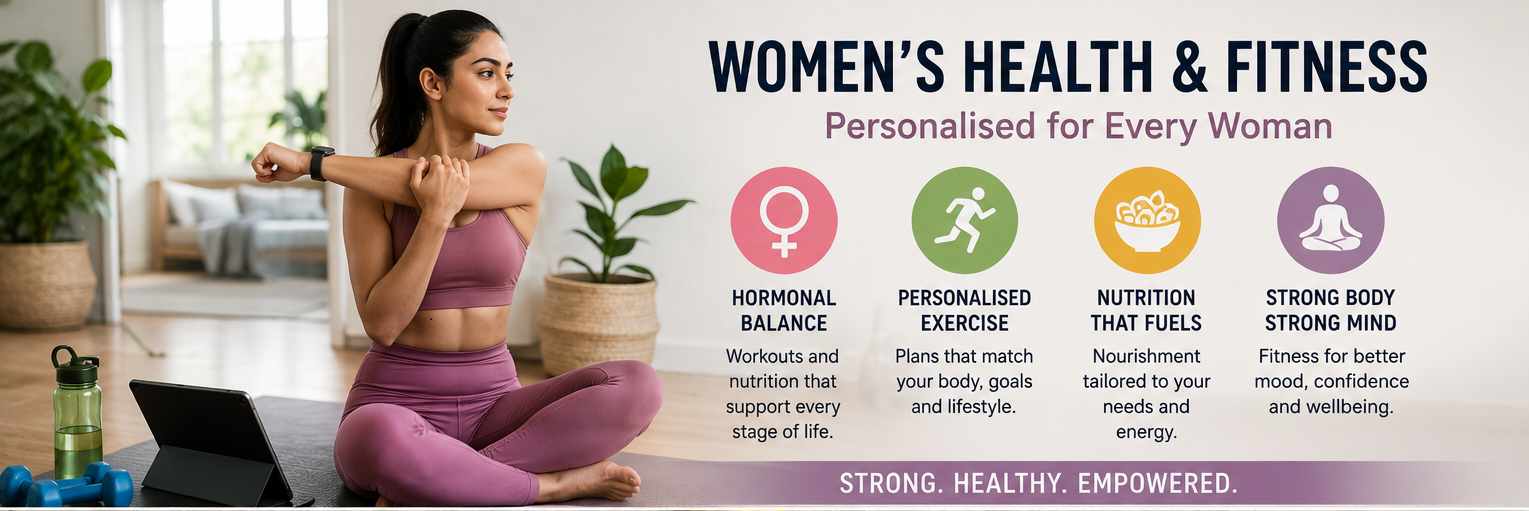
For a long time, fitness advice for women often came in a rather simple package: lose weight, eat less and exercise more. But that approach is slowly changing. Today, the conversation is moving towards something more individual — understanding that women’s bodies, health needs and fitness goals can differ considerably depending on age, lifestyle and stage of life.
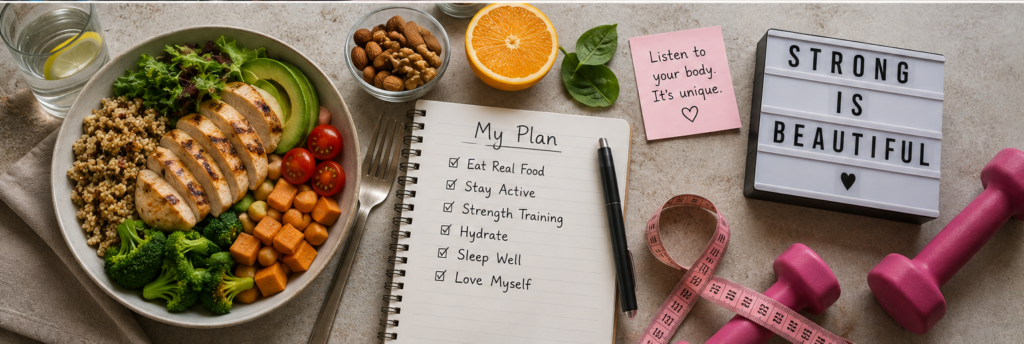
The growing interest in personalised exercise and nutrition reflects this shift. Instead of following the same workout or diet plan as everyone else, women are increasingly looking for routines that suit their own circumstances. A young athlete, a working mother and a woman approaching menopause, for instance, may all need very different approaches to exercise, recovery and food.
Strength training is also receiving greater attention. It is no longer being viewed simply as a way to build muscle or change body shape. Regular physical activity can support heart health, bone strength, mental well-being and healthy ageing. Yet women remain less physically active than men globally; WHO estimates that 34% of women were insufficiently active in 2022, compared with 29% of men.
Nutrition, meanwhile, is becoming less about restrictive diets and more about eating adequately and sensibly. Protein, iron, calcium, healthy fats, fruits, vegetables and whole grains all have a place in a balanced diet. The focus is increasingly shifting from simply counting calories to understanding what the body actually needs. That is an important change, perhaps, especially when fitness advice online can sometimes become confusing.
Technology is adding another layer to this trend. Wearables and health apps can track activity, sleep and other measurements, while newer systems are exploring more personalised guidance based on individual data. Recent research is even looking at specialised wearable models designed around women’s health, although such technologies are still developing and should not be treated as substitutes for medical advice.
At the same time, experts and fitness professionals are pushing back against the idea that every woman needs to train harder. Recovery, sleep, stress and mental well-being matter too. The goal is gradually becoming less about achieving a particular appearance and more about feeling stronger, healthier and capable in everyday life.
Personalisation, then, may be the next important chapter in women’s fitness. There is no single perfect routine — and perhaps that is the point. Good health is not a race or a fixed formula. It is a continuing process of understanding the body, making sensible choices and, sometimes, simply learning to listen to it.
