

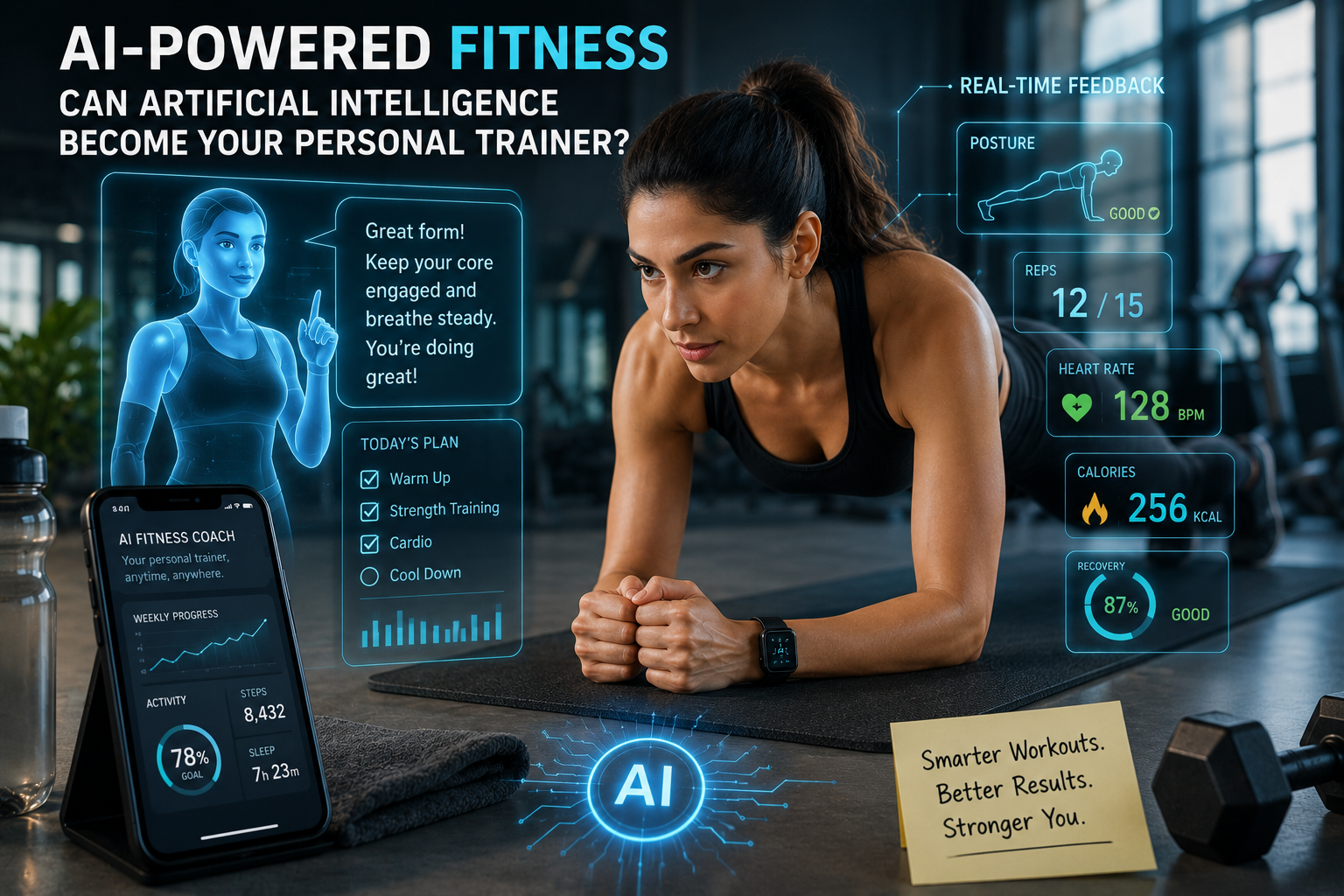
The personal trainer of the future may not always be standing beside you in a gym. It could be sitting inside your smartphone, smartwatch or even a pair of earbuds. Artificial intelligence is steadily changing the fitness world, offering personalised workout suggestions, tracking daily activity and turning streams of health data into advice that is easier to understand.
AI-powered fitness platforms can study information such as heart rate, sleep, activity levels, workout history and personal goals. Based on these patterns, they can suggest when to push harder, when to reduce the intensity or when, perhaps, to take a rest day. Recent fitness applications are also using smartphone cameras and AI to monitor exercise movements, count repetitions and provide feedback on form.
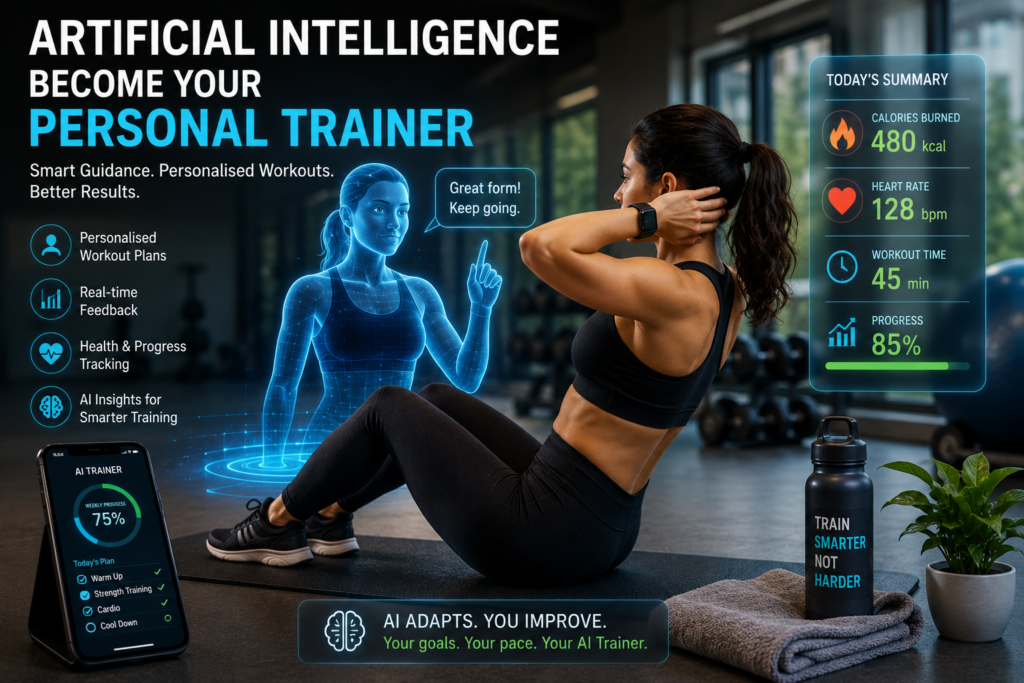
This is where AI begins to look a little like a personal trainer. Instead of giving everyone the same workout plan, it can adjust routines according to changing circumstances. A person who slept badly, for example, may receive a lighter session, while someone feeling energetic could be guided towards a more demanding workout. The idea is simple: fitness should fit the individual, not the other way around.
Wearable devices are making this possible on a much larger scale. Modern fitness trackers and smart rings can collect information about sleep, heart rate, movement and recovery, giving AI systems a steady flow of data to work with.
But there is a catch. More data does not automatically mean better health decisions. AI can identify patterns, yet it does not understand a person’s body and circumstances in quite the same way an experienced trainer or healthcare professional can. Poor-quality data can also lead to poor recommendations. Privacy is another concern, particularly as people increasingly share sensitive health information with digital platforms.
So, can AI really replace a personal trainer? Probably not completely — at least not yet. What it can do is make fitness guidance more accessible and affordable, while helping people stay consistent. A human trainer brings motivation, judgement and personal interaction that technology still struggles to reproduce.
Perhaps the better question is not whether AI will replace trainers, but how the two can work together. Used carefully, artificial intelligence could become a useful fitness companion — one that tracks, reminds and suggests, while humans continue to make the important decisions.
