

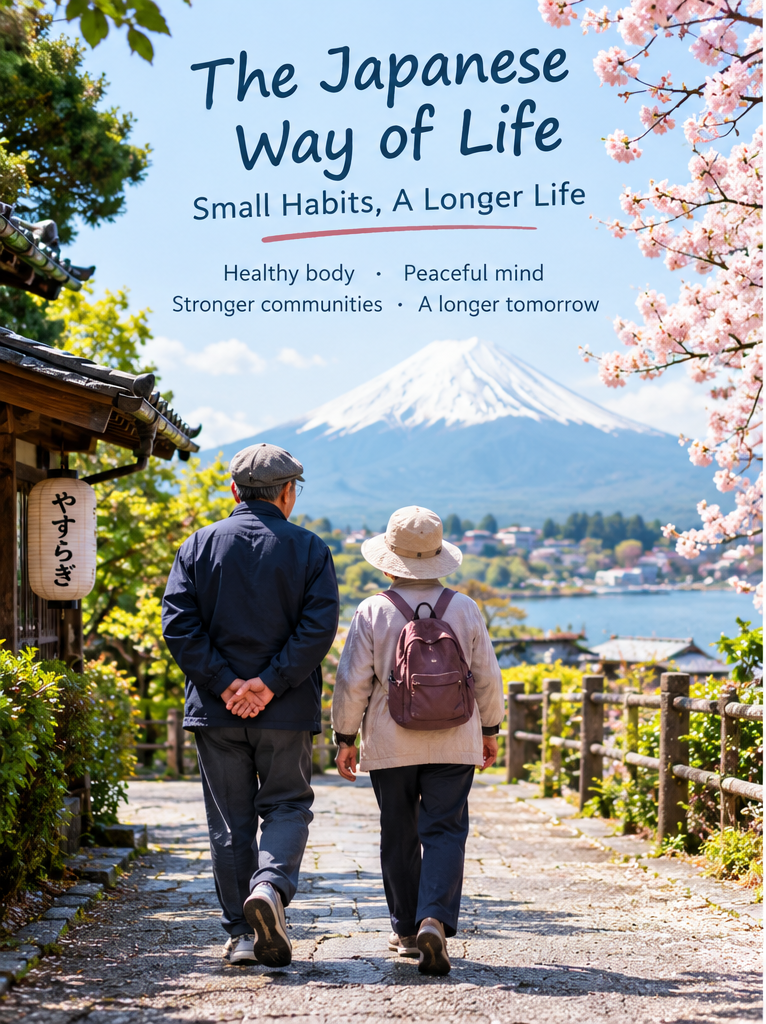
Japan has long attracted global attention for its high life expectancy and large population of older adults. But scientists increasingly suggest that there is no single secret behind Japanese longevity. Instead, a combination of everyday habits—including diet, physical activity, social connections and healthy routines—may help people age more successfully.
One of the most widely studied features of the traditional Japanese lifestyle is its diet. Meals often include vegetables, fish, soy products, rice and fermented foods, while portions tend to be relatively moderate. Traditional Japanese cooking also commonly uses a variety of seasonal ingredients, providing a broad range of nutrients.
Fish is an important source of protein and omega-3 fatty acids, while foods such as tofu, natto and miso provide plant-based protein and other nutrients. Green tea, another familiar part of Japanese food culture, contains antioxidants, although researchers caution that no individual food or drink can explain Japan’s longevity on its own.
Portion control is another commonly discussed Japanese habit. The Okinawan expression “hara hachi bu” refers to the practice of eating until one is about 80 percent full. While the phrase is culturally significant, scientific evidence does not establish that following this particular rule alone extends lifespan. Nevertheless, avoiding habitual overeating can support healthy body weight and metabolic health.
Movement is also built into daily life. Walking, cycling, household activities and other forms of regular low-intensity exercise can help older adults maintain strength, balance and independence. In Okinawa, traditional group exercises such as radio taiso have also been associated with community participation and regular physical activity.
Social connection may be equally important. In parts of Japan, older people have traditionally maintained strong relationships through families, neighbourhoods and community groups. In Okinawa, the concept of “moai” describes informal social support groups whose members provide companionship and practical assistance throughout life.
Another concept often associated with Japanese wellbeing is “ikigai,” loosely understood as a sense of purpose or something that makes life worth living. Researchers have explored the relationship between purpose in life, psychological wellbeing and healthy ageing, although the concept should not be treated as a guaranteed formula for longevity.
Japan’s experience also highlights an important distinction: living longer does not automatically mean living healthier. Ageing populations face challenges including dementia, frailty, chronic diseases and social isolation.
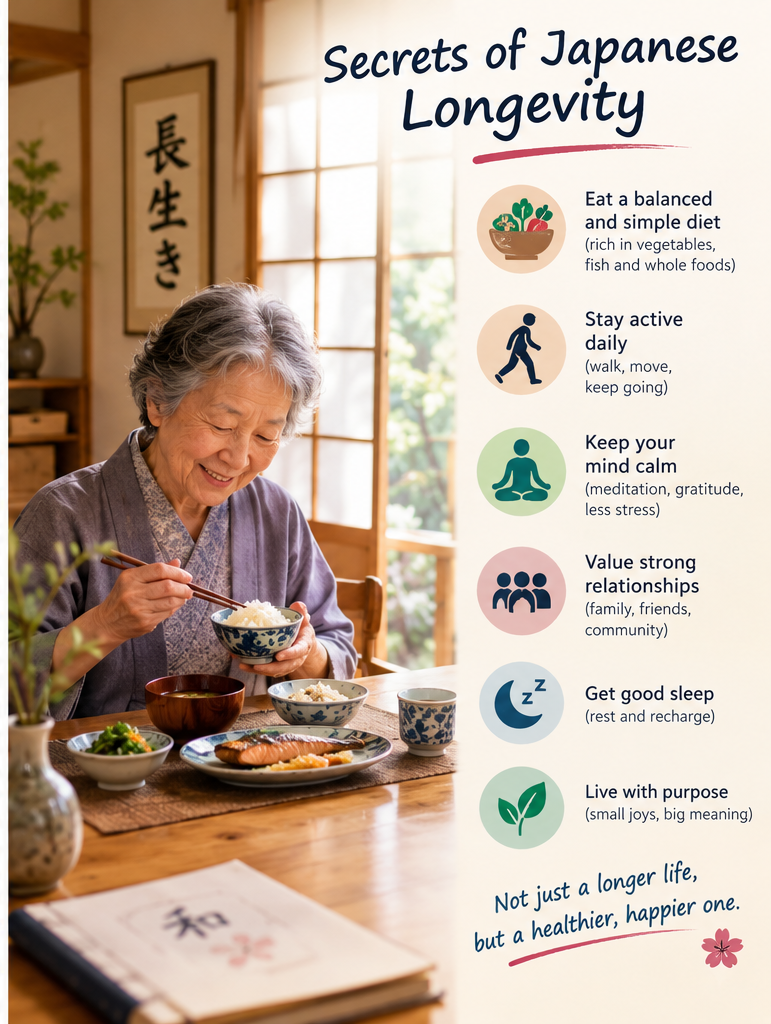
The broader lesson from Japan may therefore be less about discovering a magical ingredient and more about building sustainable routines. A balanced diet, regular movement, meaningful social relationships, adequate rest and a sense of purpose can all contribute to healthier ageing.
For people around the world hoping to live longer, the Japanese example offers a practical message: longevity may be influenced not by one extraordinary habit, but by many ordinary choices repeated consistently over a lifetime.
