

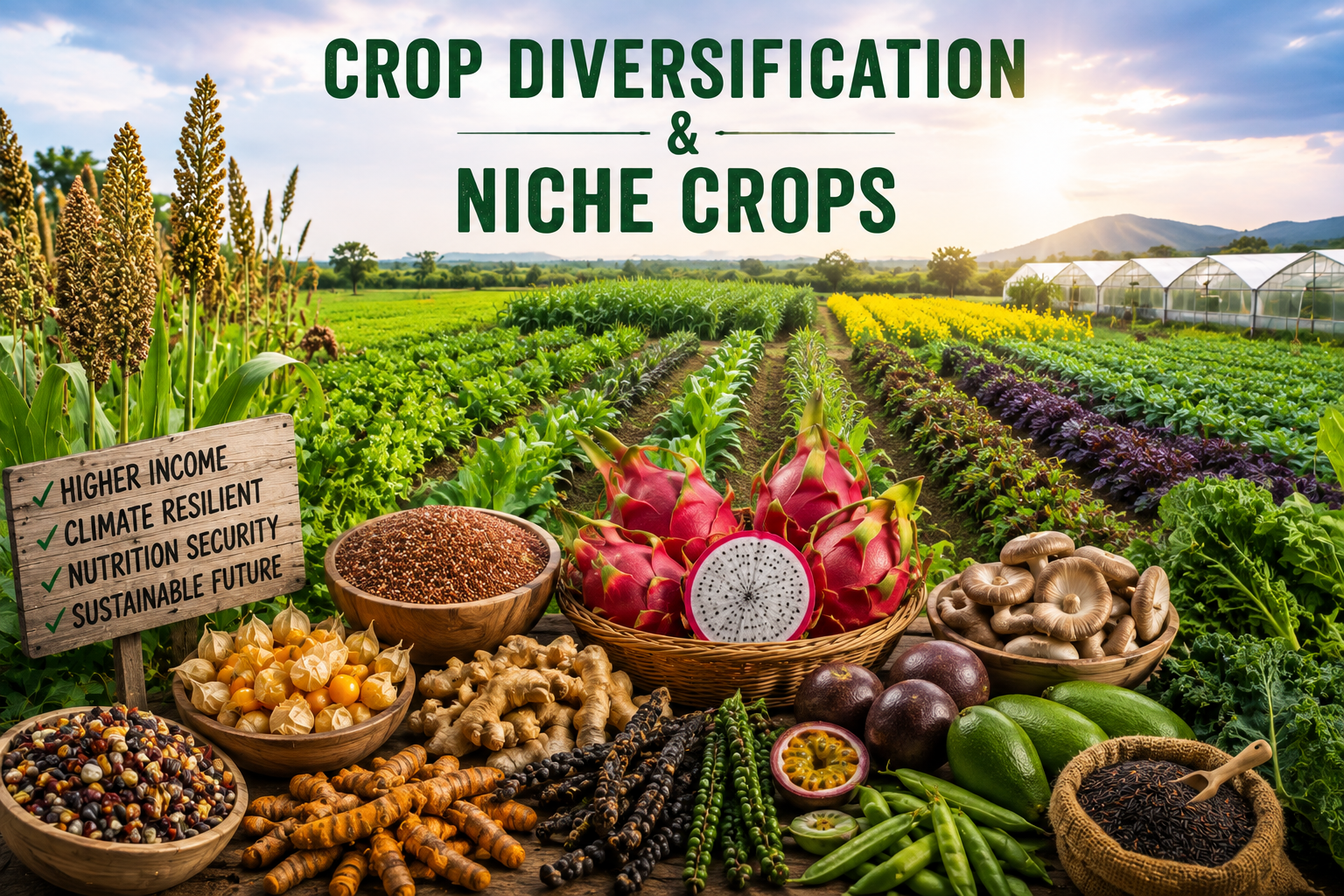
For a long time, many farms followed a familiar pattern—one main crop, grown season after season, dependable in its own way, even if a little risky. But that pattern is beginning to loosen. Across different regions, farmers are slowly turning toward crop diversification, not as a grand shift all at once, but as a series of small decisions that add up over time. It’s a way of spreading risk, of not putting everything into a single harvest that could fail if the weather turns or markets dip unexpectedly.
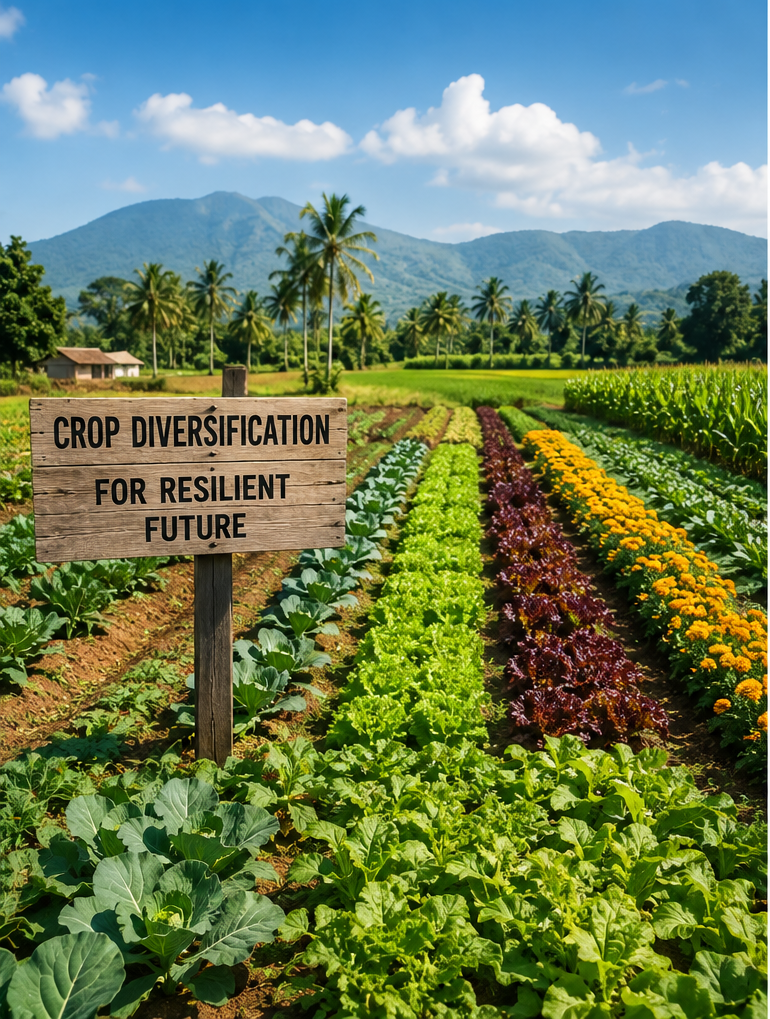
There is a certain rhythm to this change. A field that once held only one crop might now carry two or three, each chosen for a reason. Some crops need less water, others grow faster, and a few may bring better prices in local or even distant markets. It’s not always easy to manage. Different crops come with different needs—timing, care, harvesting methods—and balancing all that can feel, at times a bit overwhelming. Still, the idea of having options, of not relying on just one outcome, holds its own appeal.
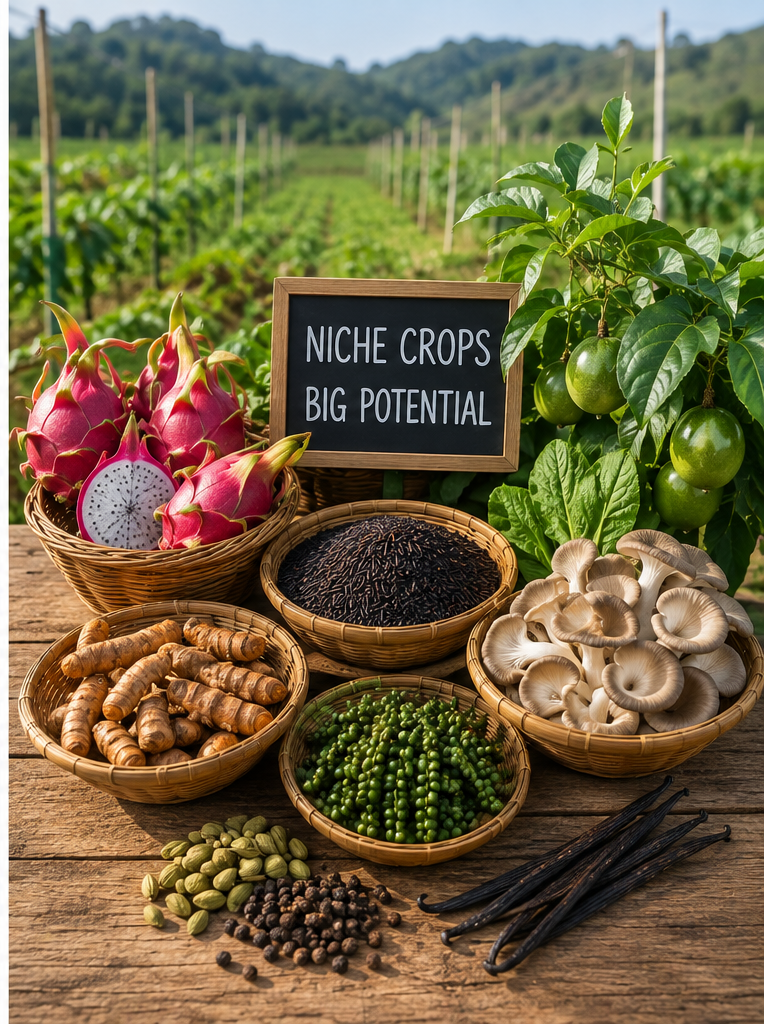
Alongside diversification, there is growing interest in niche crops—those that are not widely grown but have a specific demand. These might include medicinal plants, herbs, or unique varieties of fruits and grains that cater to smaller, often more specialized markets. The promise here is clear: higher returns, sometimes even stable demand. But the path is not without uncertainty. Markets for niche crops can be unpredictable, shifting with trends or consumer preferences, and access to buyers is not always guaranteed.
Farmers often find themselves navigating unfamiliar territory. Growing something new means learning new techniques, understanding different soil needs, and sometimes investing in seeds or equipment that may not have an immediate payoff. There is also the question of scale. A niche crop might do well on a small plot, but expanding it can bring new challenges, from storage to transport to finding consistent demand.
Yet, despite these hurdles, there is a quiet sense of possibility. Diversified farms tend to be more resilient, able to absorb shocks a little better than those focused on a single crop. If one fails, another might still succeed. It’s not a perfect safety net, but it offers some breathing space, which can make all the difference in uncertain times. In the end, crop diversification and niche farming are less about chasing trends and more about adapting, carefully, to changing conditions. They reflect a shift in mindset, one that values flexibility over routine. And while the outcomes are not always predictable, the effort itself carries a kind of steady hope that the land, when given variety, might return the favor in ways both expected and, sometimes, quietly surprising.
