

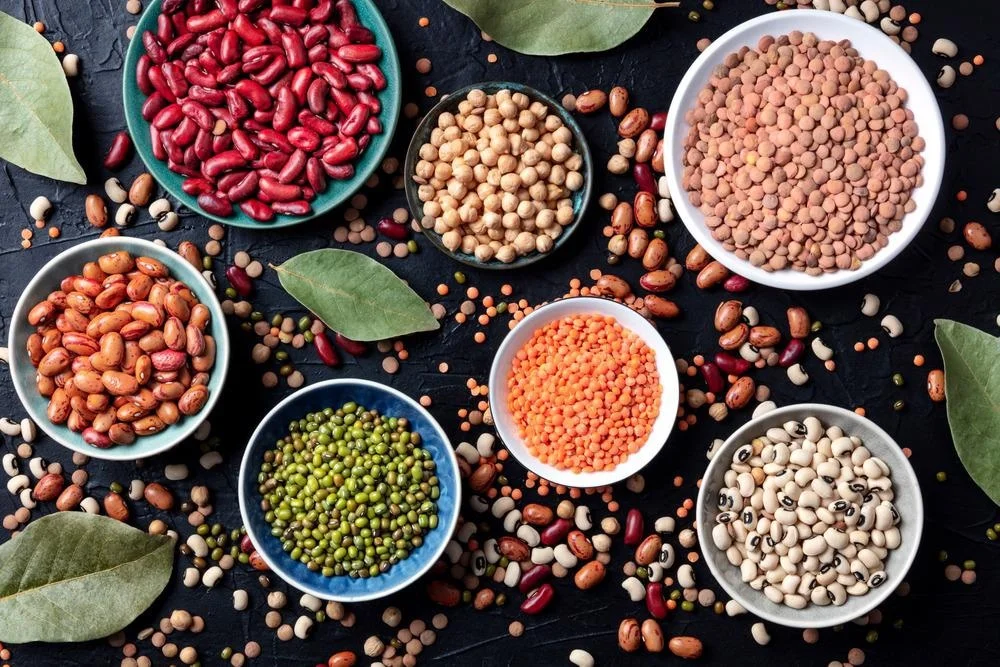
Kolkata, May 2026: India’s pulse sector has recorded a remarkable rise in production during the 2025–26 agricultural season, reflecting the success of improved cultivation practices, better seed distribution, and supportive government policies. The increase in pulse production is being viewed as a major step toward achieving self-sufficiency in protein-rich food crops while enhancing farmers’ income across several states.
According to recent agricultural estimates, India’s total pulse production is expected to cross 27 million tonnes this year, compared to nearly 24.5 million tonnes recorded a few years ago. Major contributors include gram (chickpea), tur (pigeon pea), moong (green gram), urad (black gram), and lentil. States such as Madhya Pradesh, Maharashtra, Rajasthan, Uttar Pradesh, Karnataka, and Telangana have shown significant growth in acreage and productivity.
Gram continues to dominate the pulse basket, contributing nearly 50% of total pulse output. Improved varieties with higher drought tolerance and disease resistance have helped farmers achieve better yields even under erratic climatic conditions. Experts noted that the adoption of integrated nutrient management, biofertilizers, and scientific pest management practices has also contributed to higher productivity.
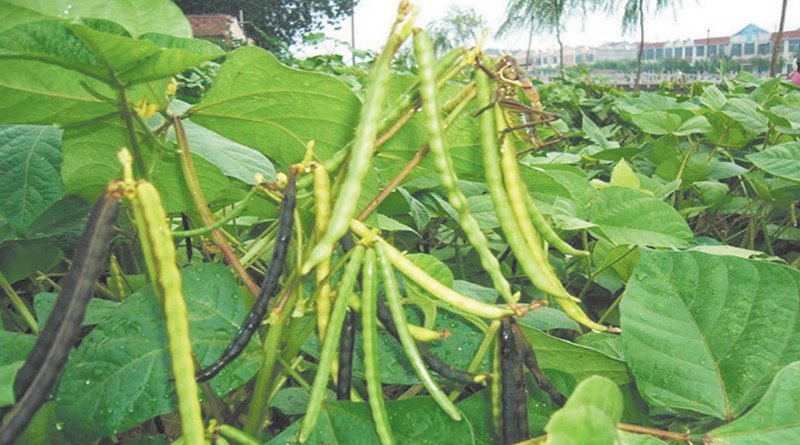
The Government of India has intensified efforts under the National Food Security Mission (NFSM) and various pulse development programs. Distribution of quality seeds, cluster frontline demonstrations, mechanization support, and minimum support price (MSP) assurance have encouraged farmers to shift toward pulse cultivation. For the 2025–26 marketing season, MSP for major pulses has been increased to provide better profitability to growers.
Agricultural scientists believe that pulses are becoming increasingly important in sustainable farming systems due to their nitrogen-fixing ability, lower water requirement, and suitability for crop rotation. Pulse crops improve soil fertility naturally and reduce dependence on chemical fertilizers, making them environmentally beneficial.
The export potential of Indian pulses is also expanding steadily. At the same time, reduced dependence on imports is expected to save significant foreign exchange. Market analysts suggest that stable production may help control retail prices and ensure affordable protein sources for millions of consumers.
In the northeastern region and hill ecosystems, several Krishi Vigyan Kendras (KVKs) and agricultural universities are promoting short-duration pulse varieties suitable for rainfed and upland conditions. Farmers are increasingly adopting intercropping systems involving pulses with oilseeds and cereals to maximize land use efficiency and income generation.
Experts, however, caution that challenges such as unpredictable rainfall, pest outbreaks, and post-harvest losses still need focused attention. Strengthening storage infrastructure, processing facilities, and value addition chains will be essential for sustaining growth in the pulse sector.
With rising awareness regarding nutrition and sustainable agriculture, pulses are expected to play a crucial role in India’s agricultural economy in the coming years. The encouraging production trend has brought optimism among farmers, policymakers, and consumers alike, marking a positive chapter for the nation’s food and nutritional security.
