
Written By: Dr. Suman Saha
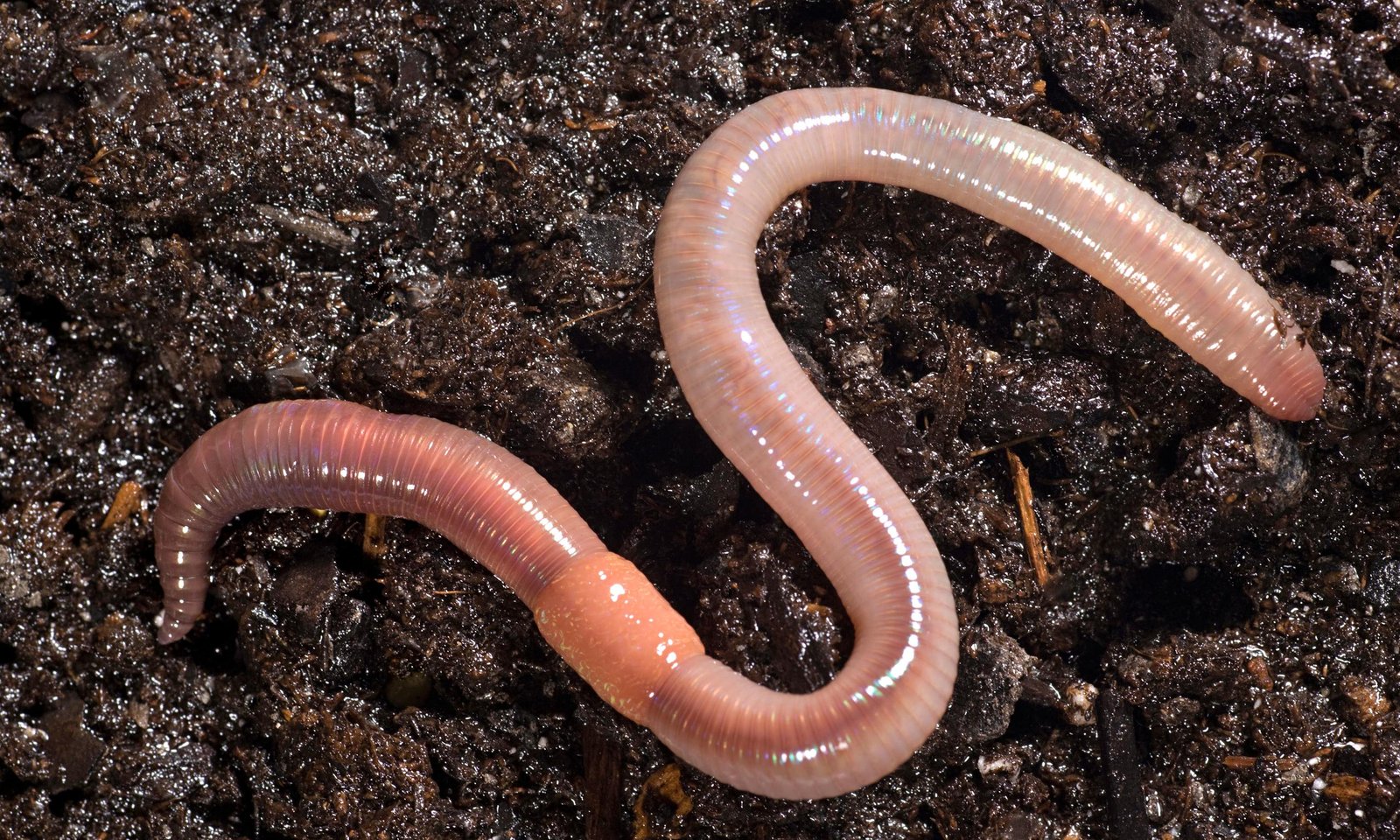
Vermicompost is one of the most eco-friendly and nutrient-rich organic manures widely used in sustainable agriculture. It is prepared through the decomposition of organic waste materials by earthworms, mainly species such as Eisenia fetida and Eudrilus eugeniae. The process converts biodegradable waste into a fine, dark, and odorless manure commonly known as “black gold” due to its immense benefits to soil and crops.
The increasing use of chemical fertilizers in agriculture has led to soil degradation, reduction in beneficial microorganisms, and environmental pollution. Vermicompost offers a natural alternative that improves soil health while maintaining environmental balance. It contains essential plant nutrients such as nitrogen, phosphorus, potassium, calcium, magnesium, and micronutrients in readily available forms. In addition, it is rich in beneficial microbes, enzymes, and plant growth-promoting substances.
The preparation of vermicompost is simple and cost-effective. Organic wastes such as crop residues, vegetable wastes, dry leaves, cow dung, and kitchen waste are placed in pits or tanks under shaded conditions. Earthworms are introduced into the prepared bed, and moisture is maintained regularly. Within 45–60 days, the earthworms convert the organic matter into nutrient-rich compost. The final product is sieved and applied to fields, nurseries, gardens, and potted plants.
Vermicompost provides several advantages in agriculture. It improves soil structure, aeration, and water-holding capacity, making the soil more fertile and productive. Crops grown with vermicompost often show better germination, enhanced root development, increased flowering, and higher yield. It also helps in suppressing certain soil-borne diseases and reduces dependency on chemical fertilizers.
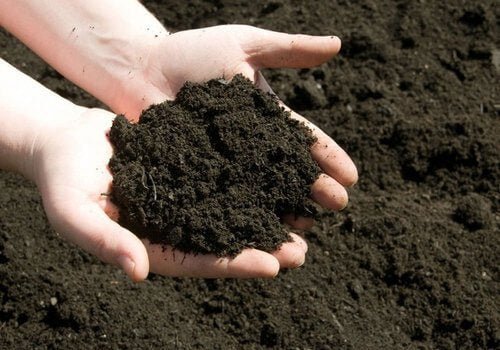
Apart from agricultural benefits, vermicomposting is an effective method of waste management. It helps recycle organic wastes that would otherwise contribute to environmental pollution. Farmers, rural youth, and self-help groups can also adopt vermicompost production as an income-generating enterprise with low investment and high demand in organic farming sectors.
In the present era of sustainable and climate-resilient agriculture, vermicompost plays a significant role in restoring soil fertility and promoting healthy food production. Encouraging its adoption among farmers can lead to improved agricultural productivity, environmental conservation, and long-term soil sustainability.
